Spacetime Gothic
Steve Gilbert Studio
September 10 - November 1, 2026

Spacetime Gothic gallery view
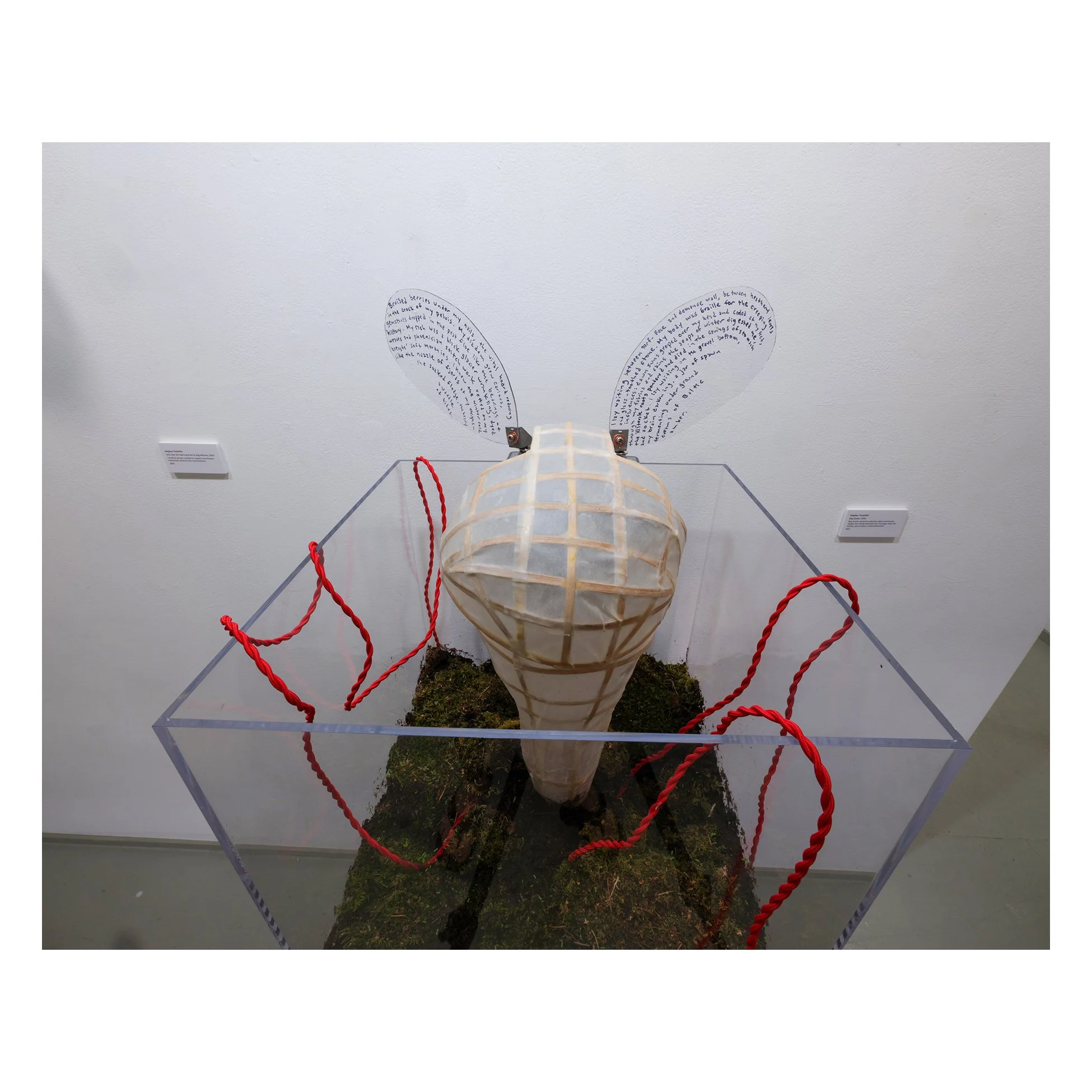
Bog Queen, 2026, detail
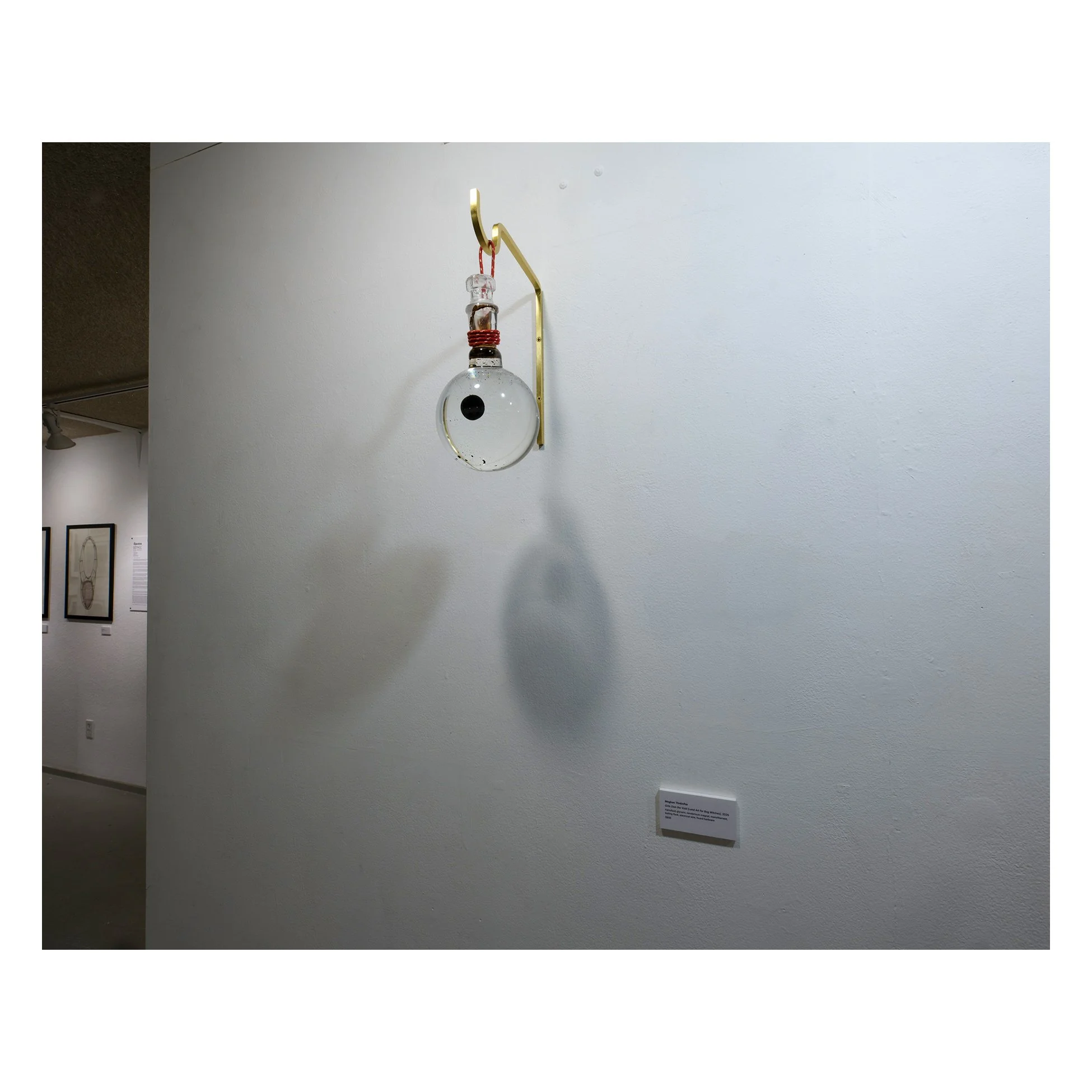
Girls Own The Void (Land Art for Bog Witches), 2026
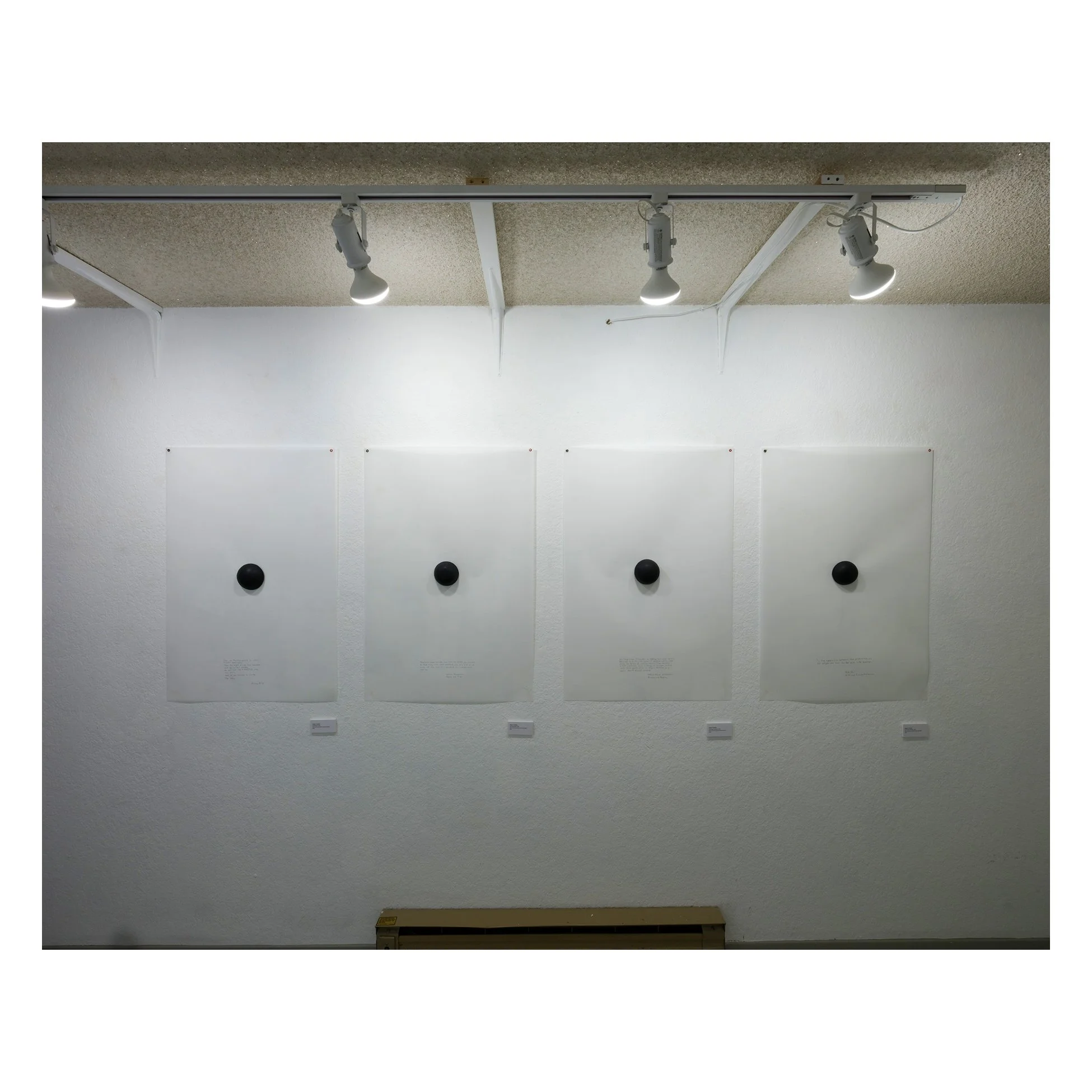
void series, 2026
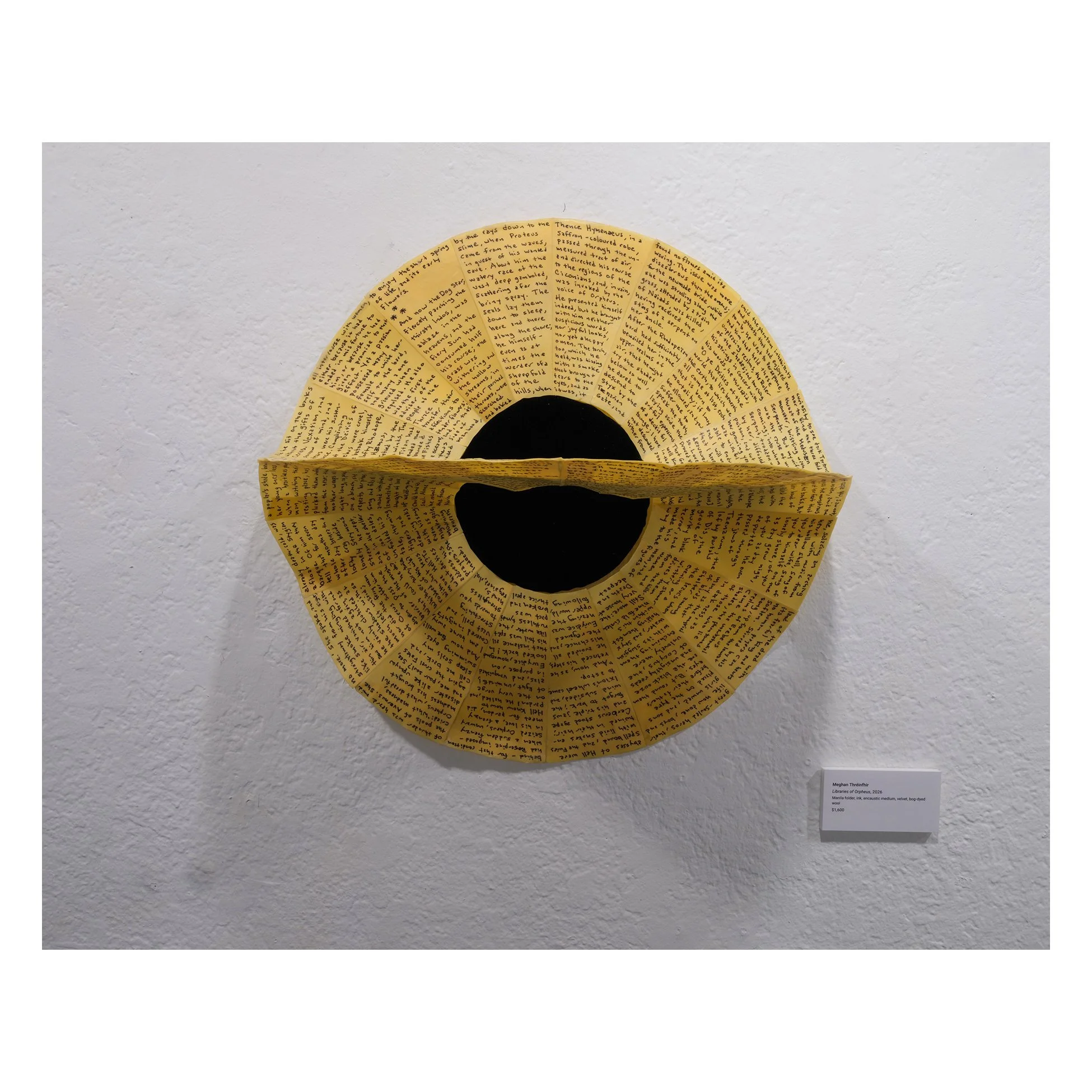
Libraries of Orpheus, 2026
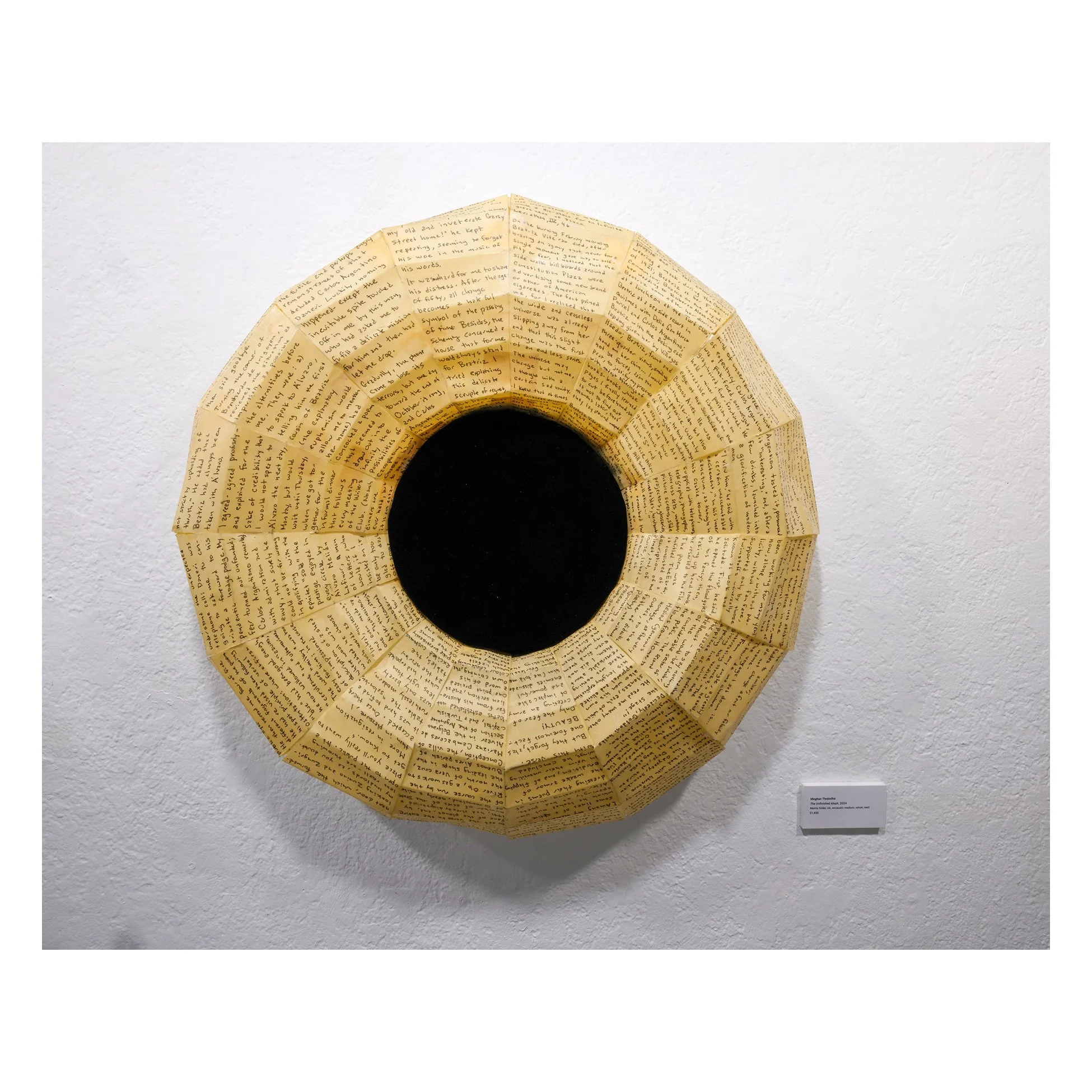
The Unfinished Aleph, 2024
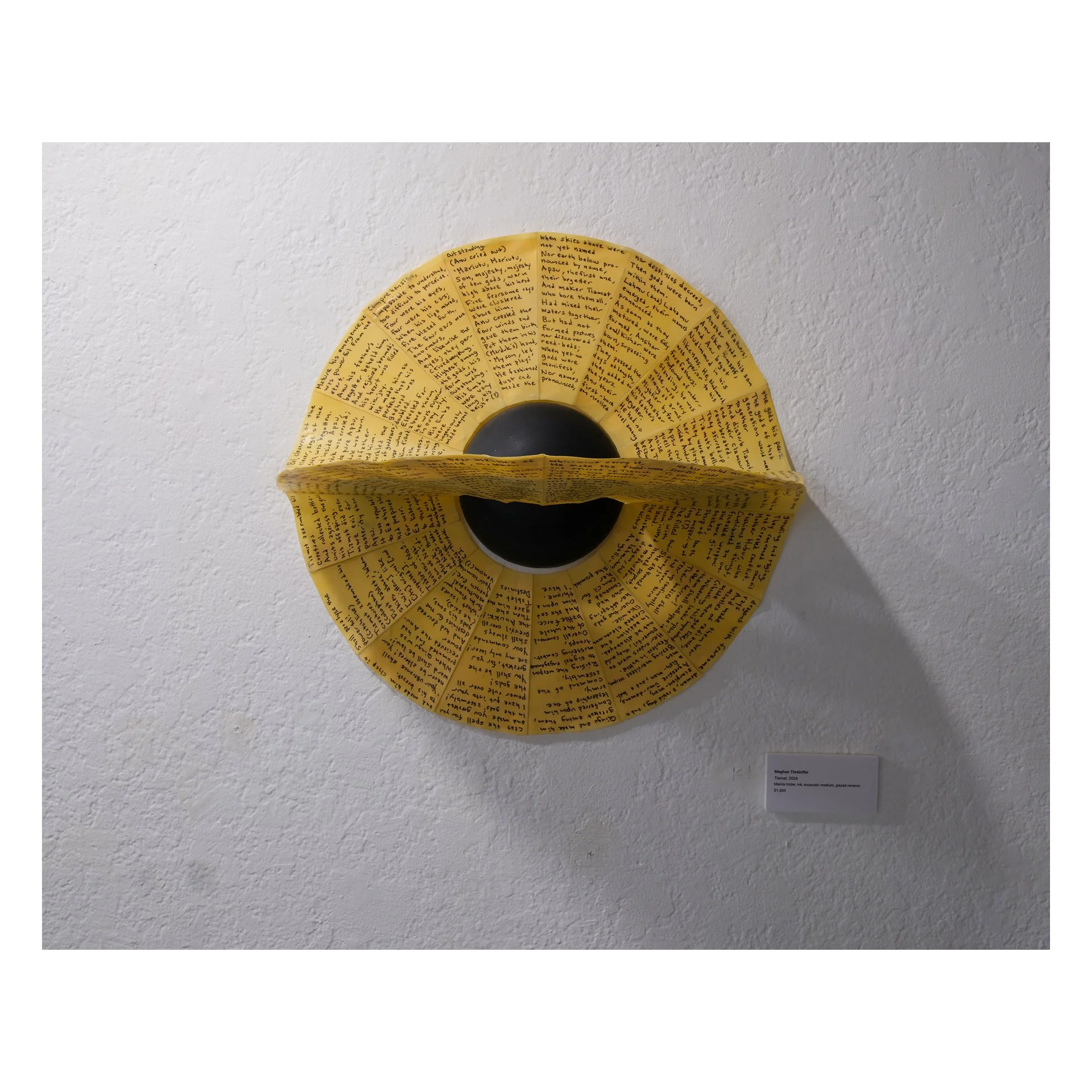
Tiamat, 2026
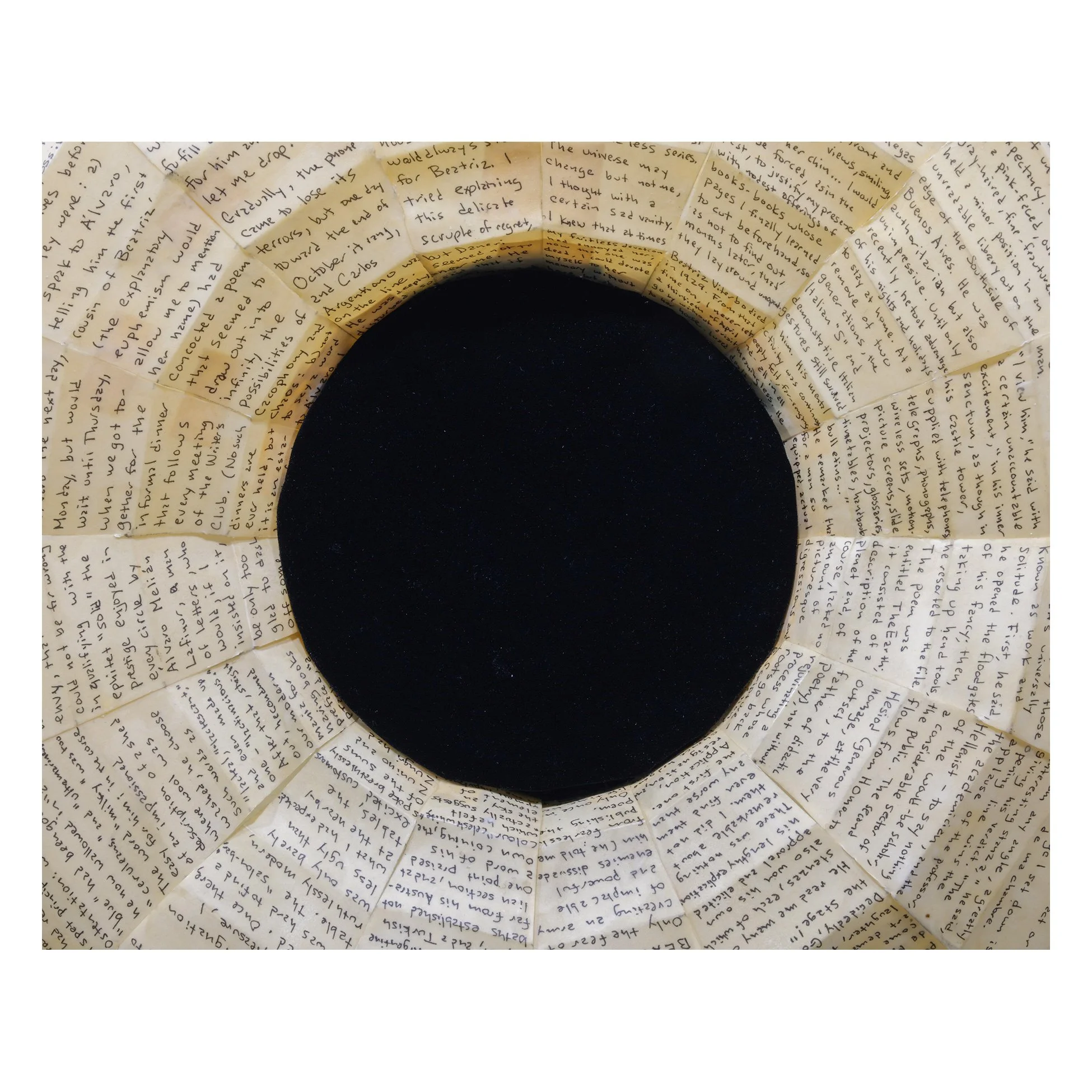
The Unfinished Aleph, 2024, detail
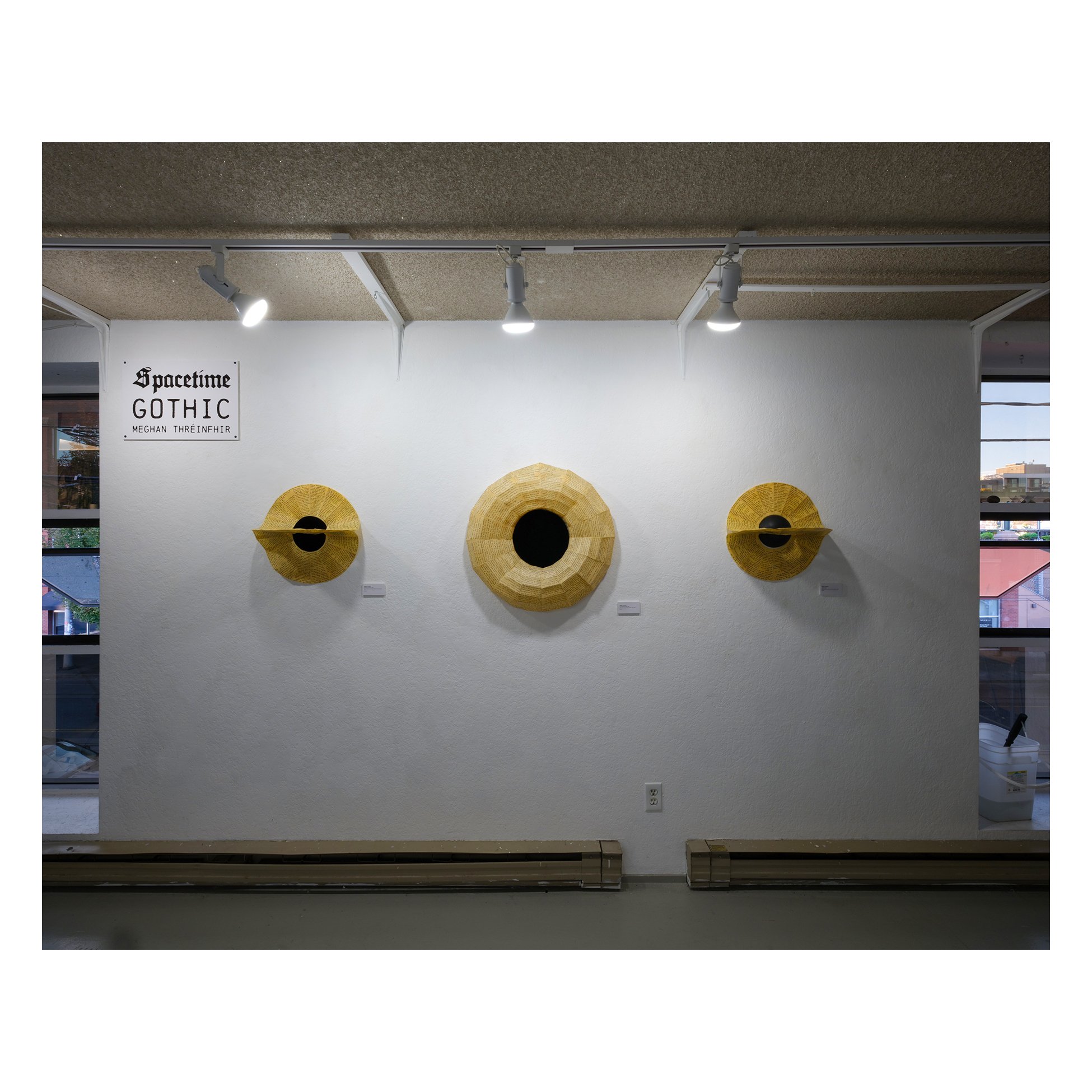
Spacetime Gothic gallery view

Spectral Logic, 2026 & Deer Circuit, 2026
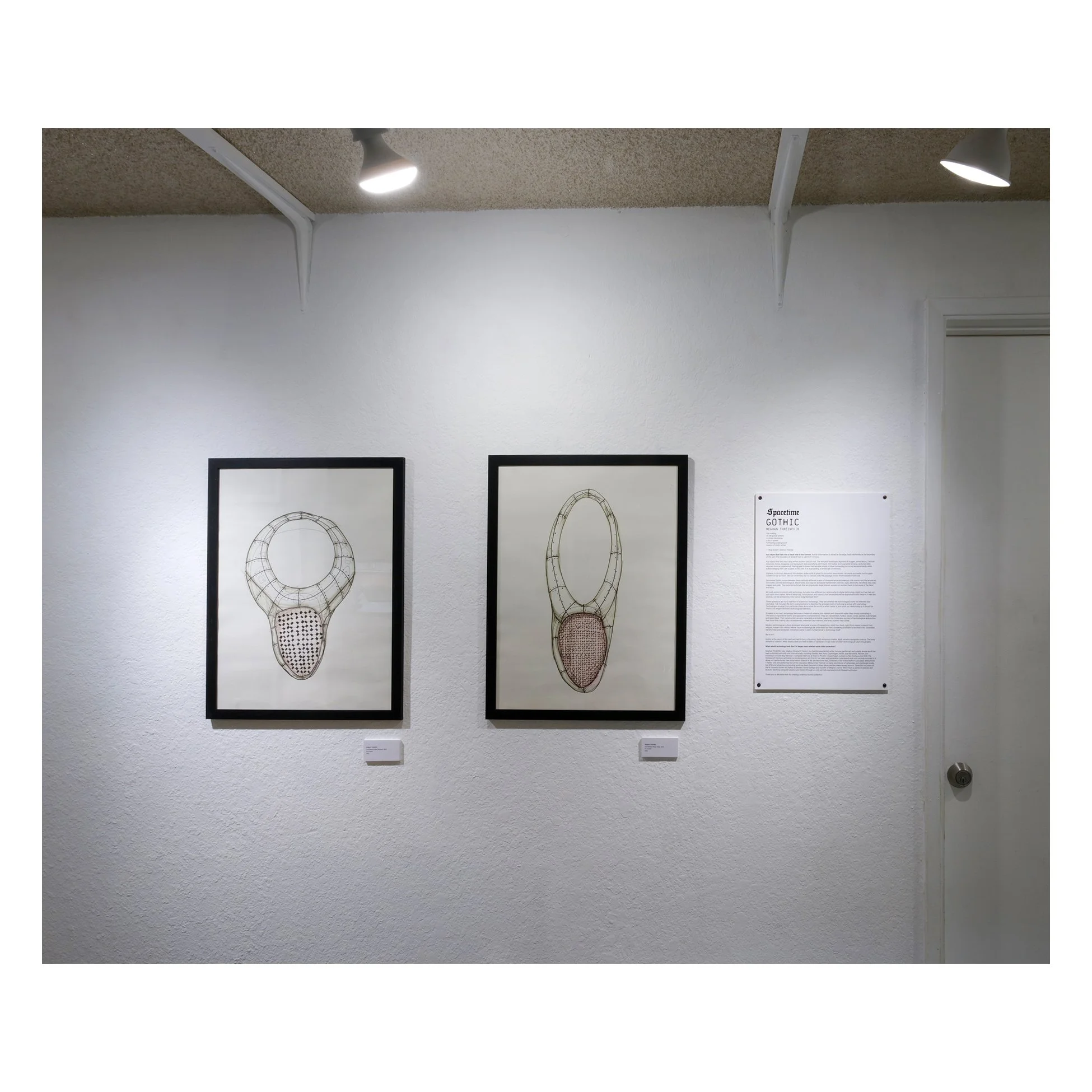
Core Memory Mask: Receiver, 2026 & Core Memory Mask: Relay, 2026
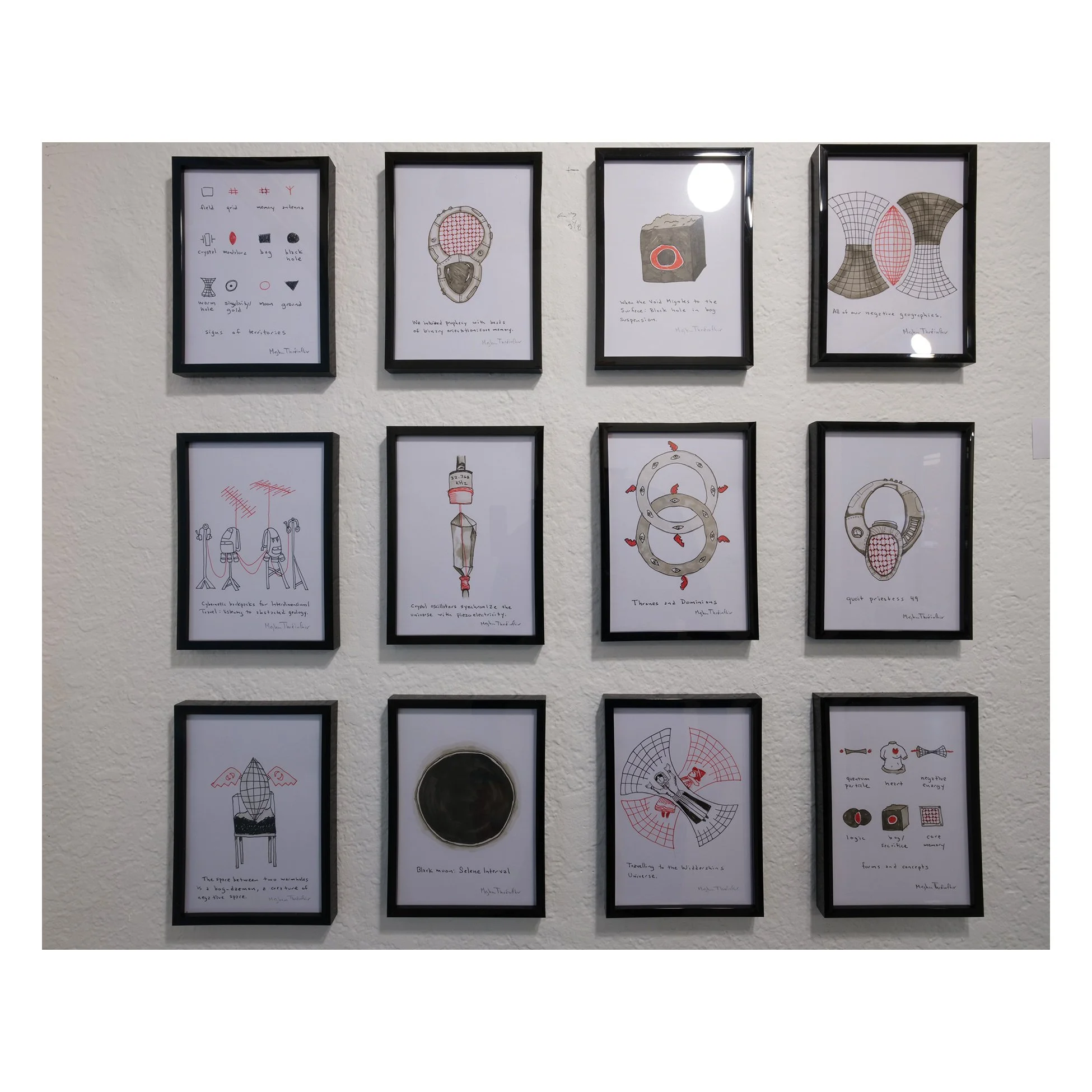
Untitled sketches
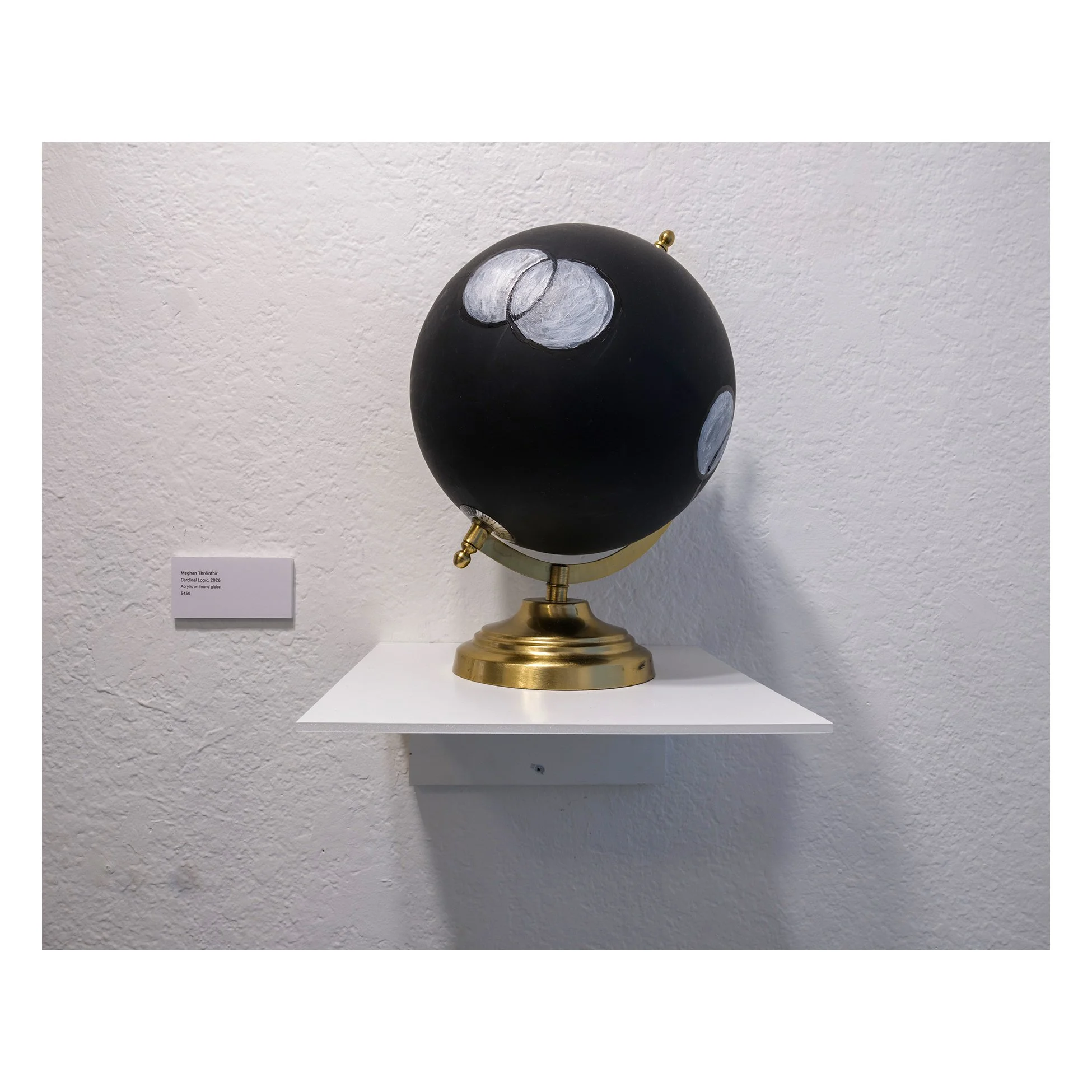
Cardinal Logic, 2026
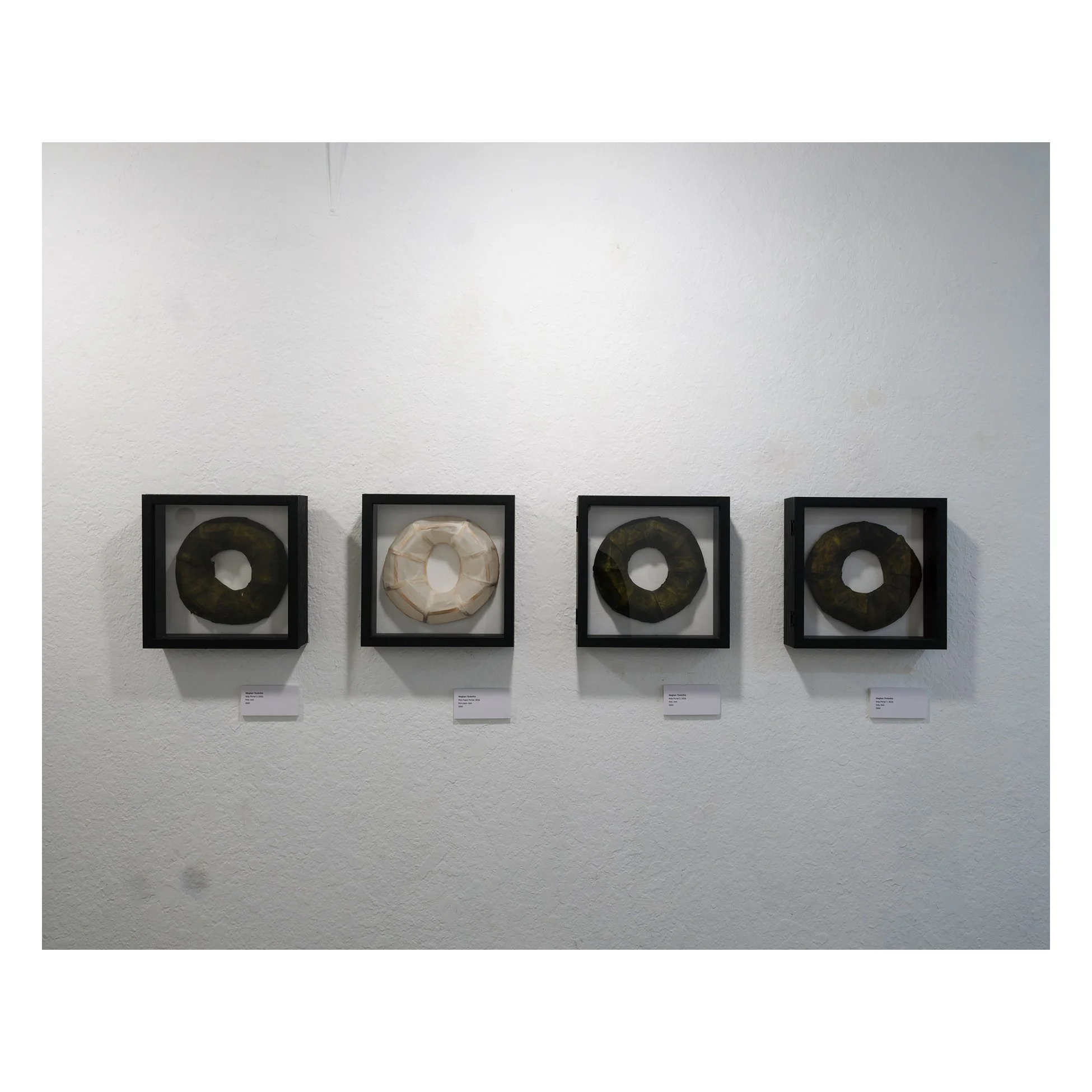
Kelp Portals 1-3 & Rice Paper Portal, 2026
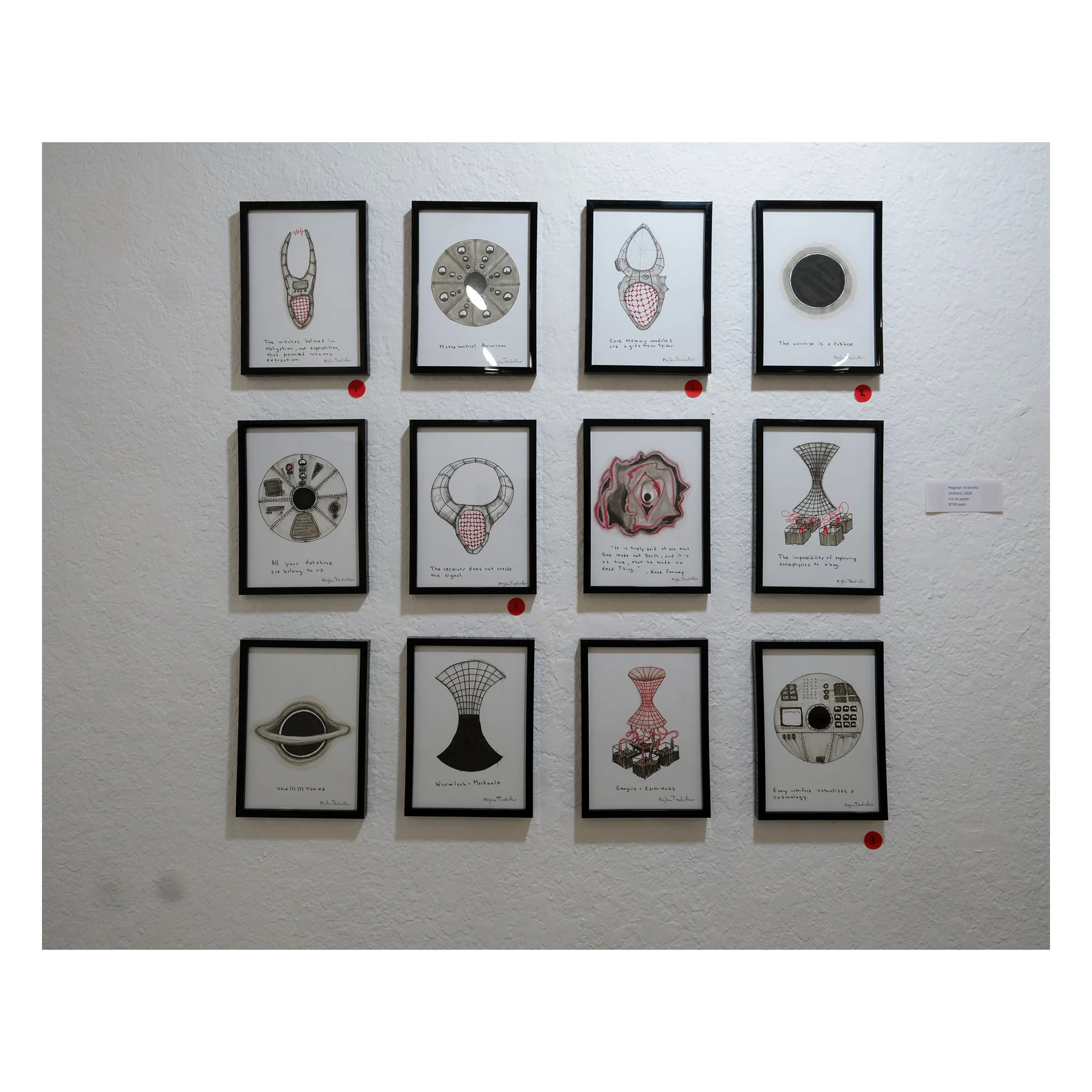
Untitled sketches
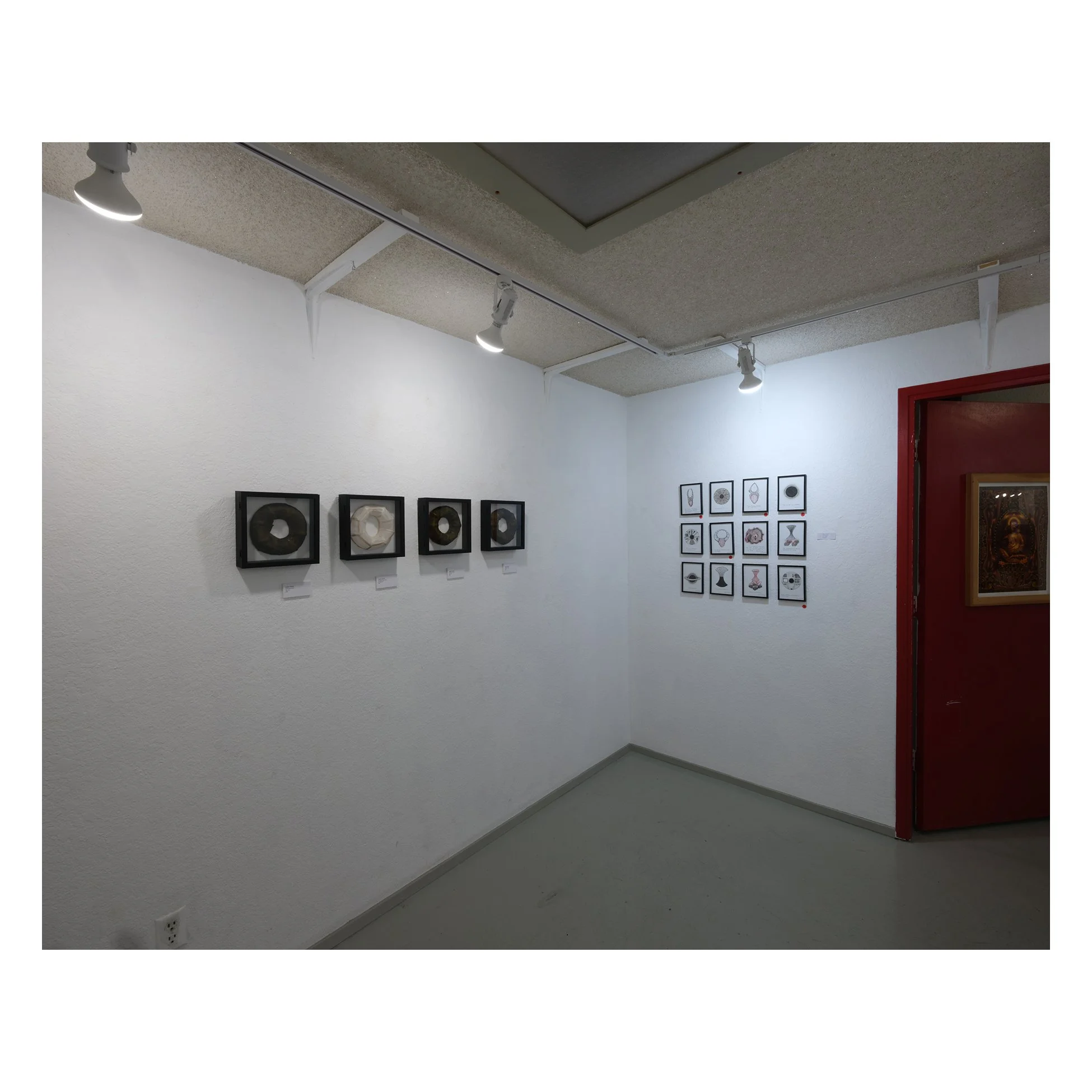
Spacetime Gothic gallery view
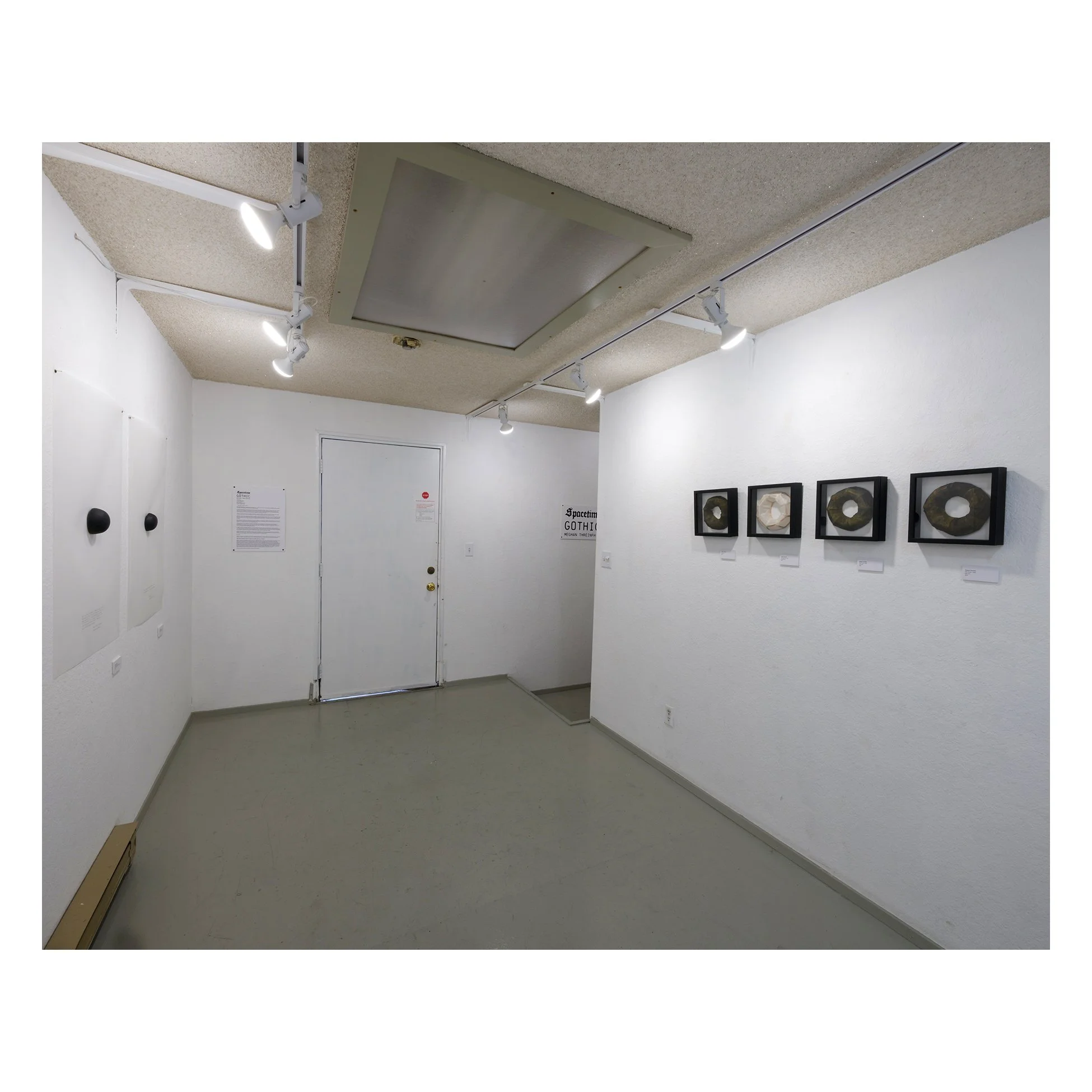
Spacetime Gothic gallery view

Spacetime Gothic gallery view
I lay waiting
on the gravel bottom,
my brain darkening,
a jar of spawn
fermenting underground
dreams of Baltic amber.
— “Bog Queen”, Seamus Heaney
Any object that falls into a black hole is lost forever. But its information is stored at the edge, held indefinitely at the boundary of the void. The boundary of a black hole is a kind of memory.
Any object that falls into a bog enters another kind of void. The wet peat landscape, deprived of oxygen, slows decay. Calcium dissolves, bones disappear, and sphagnum dyes everything pitch black. Yet bodies and bog butter emerge centuries later, returned from an underworld. Placing peat in boxes has become a kind of ritual connecting me to my ancestral lands while acknowledging that I am a guest on this one. It is a grounding, a landscape of memory.
Orpheus, in his loss, descends into another underworld to plead for his wife's resurrection. He nearly succeeds, but his gaze condemns her to return. We can remember, but we cannot undo the passage across the threshold of the void.
Spacetime Gothic moves between these radically different scales of disappearance and memory: the cosmic and the terrestrial, the mythic and the technological. Black holes and bogs sit alongside handwritten archives, logic, electricity, ferrofluid, kelp, wax, copper, and code. The works bring things that are impossibly large, distant, ancient, or abstract back to the scale of the hand and body.
My work exists in concert with technology, but asks how different our relationship to digital technology might be if we had not split spirit from matter. What if electricity, computation, and robotics had developed before disenchantment? What if it were the witches, not the alchemists, who had an Enlightenment first?
These questions are not a rejection of science or technology. They ask whether the technological world we inherited was inevitable. Yuk Hui uses the term cosmotechnics to describe the entanglement of technical practice with cosmology. Technologies emerge from particular ideas about what the world is, what matter is, and what our relationship to it should be. There is no single inevitable technological trajectory.
If matter is not inert, technology becomes a means of entering into relation with the world rather than simply controlling it. The works in Spacetime Gothic are speculative cosmotechnics. They are handwritten, folded, waxed, wired, painted, submerged, and assembled. Their construction remains vulnerable and visible. Against the frictionless surface of technological abstraction, they insist that making has consequences, materials have memory, and every system has a body.
Modern technological culture developed alongside a series of separations: mind from body, spirit from matter, science from religion, human from nature. Matter could increasingly be understood as inert, something available to be measured, controlled, transformed, and extracted. Extraction came to seem fundamental to technology itself.
But it isn't.
Gothic is the return of the past we tried to bury, a haunting. Spirit remains in matter. Myth remains alongside science. The body remains in relation. What returns does not have to take us backward. It can make another technological future imaginable.
What would technology look like if it began from relation rather than extraction?